
How different cultures around the world honor their dead
Share
Across the world, many cultures have long-standing traditions that honor the dead in ways that are communal, meaningful, and sometimes joyful. These rituals show us that grief doesn’t have to be quiet or lonely — and that remembering can be an act of love.
Here are some of the most fascinating and beautiful ways other cultures honor their loved ones after death.
Japan – Obon Festival

Obon is a Buddhist festival held each summer, when it’s believed that ancestral spirits return home to visit their families.
Homes are cleaned, graves are visited, and lanterns are lit to guide spirits back to the afterlife. In many regions, floating lantern ceremonies (Toro Nagashi) symbolise letting loved ones go peacefully.
What it teaches us:
Remembrance can be gentle, calm, and rooted in gratitude — not fear.
China – Qingming Festival (Tomb-Sweeping Day)


Held in spring, Qingming is a time for families to clean graves, offer food and flowers, and burn joss paper representing money or items for the afterlife.
It’s both a remembrance day and a family gathering, blending reflection with togetherness.
What it teaches us:
Honouring ancestors is about responsibility, respect, and continuing bonds across generations.
Ghana – Fantasy Coffins

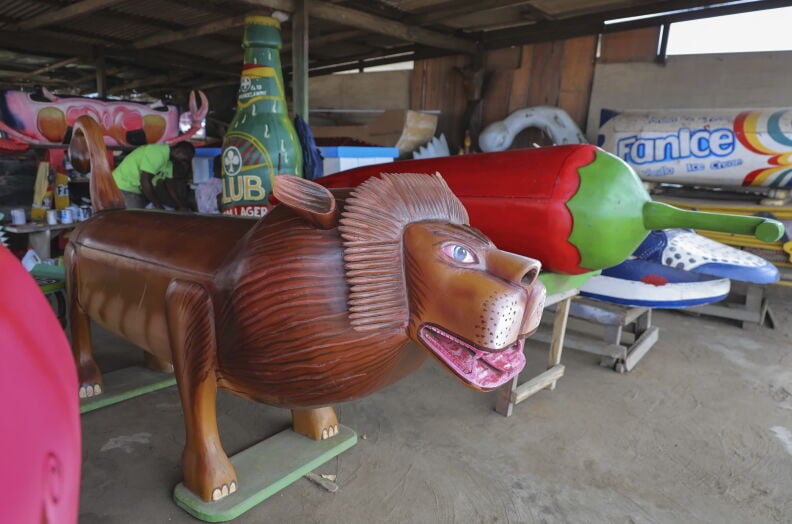
Among the Ga people of Ghana, funerals are a celebration of identity. Coffins are custom-made into bold shapes that reflect the person’s life — from fish and airplanes to shoes or cocoa pods.
These coffins tell a story before a single word is spoken.
What it teaches us:
A farewell can reflect personality, passion, and pride — even in death.
Indonesia – Ma’nene (Toraja People)


In the Toraja culture, death isn’t seen as an abrupt ending. During Ma’nene, families exhume loved ones, clean and dress them, and walk with them through the village.
The ritual reflects an ongoing relationship with the deceased.
What it teaches us:
Love doesn’t end at death — it simply changes form.
Bolivia – Día de las Ñatitas (Day of the Skulls)
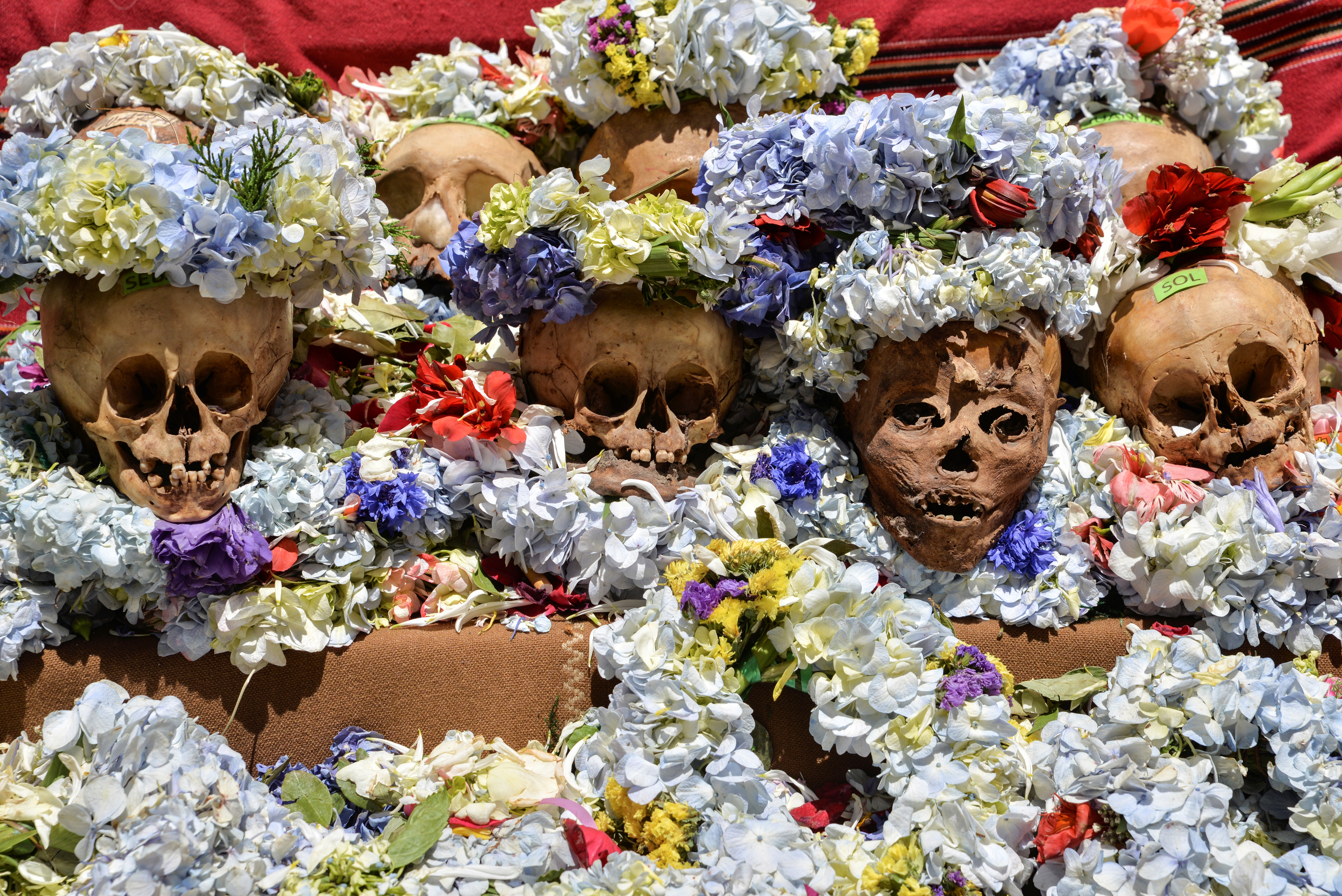
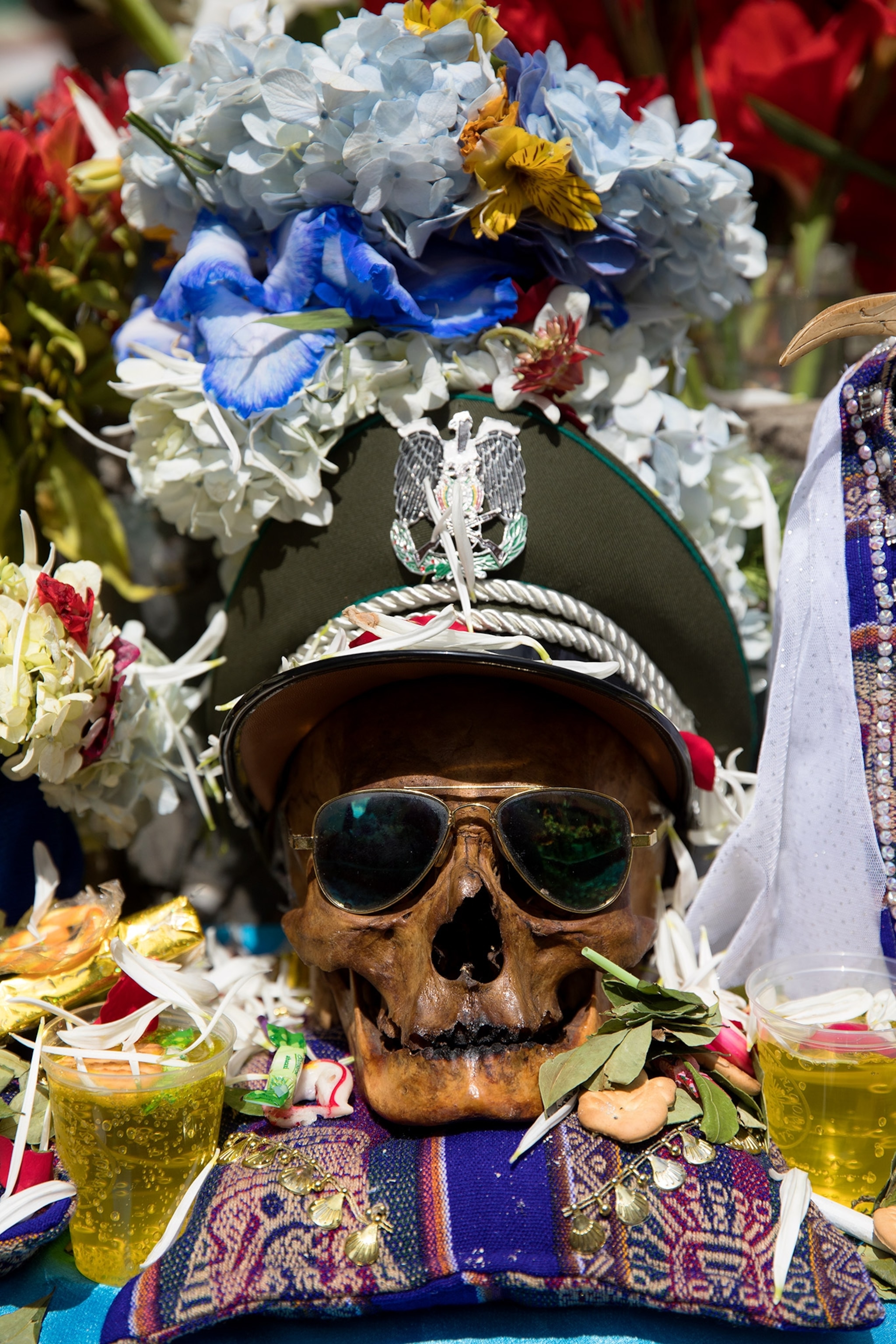
Each year, families honour skulls believed to protect and guide them. Decorated with flowers, hats, and offerings, these skulls are taken to cemeteries for blessings.
While confronting to outsiders, the ritual is deeply spiritual.
What it teaches us:
Remembrance can be personal, symbolic, and deeply sacred.
Philippines – Undas (All Souls’ Day)
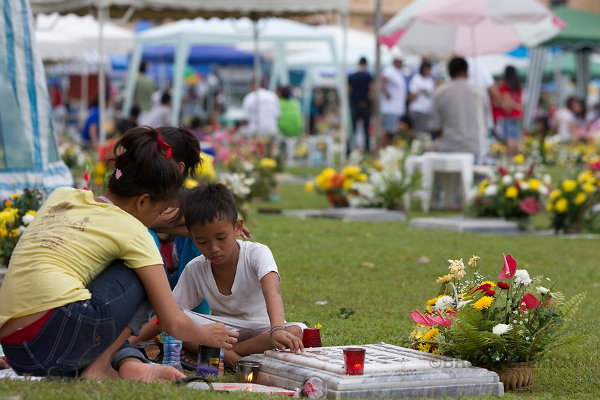
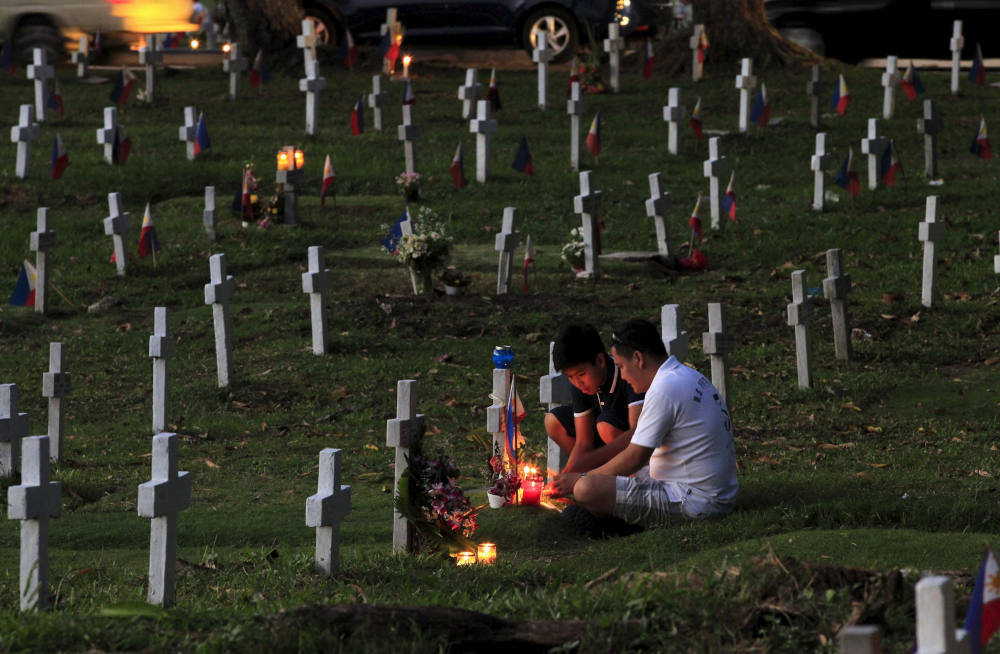
During Undas, cemeteries transform into lively spaces. Families bring food, music, games, and even camp overnight near graves to spend time together.
It’s less about mourning — and more about presence.
What it teaches us:
Honouring the dead is also about strengthening the living.
Madagascar – Famadihana (Turning of the Bones)
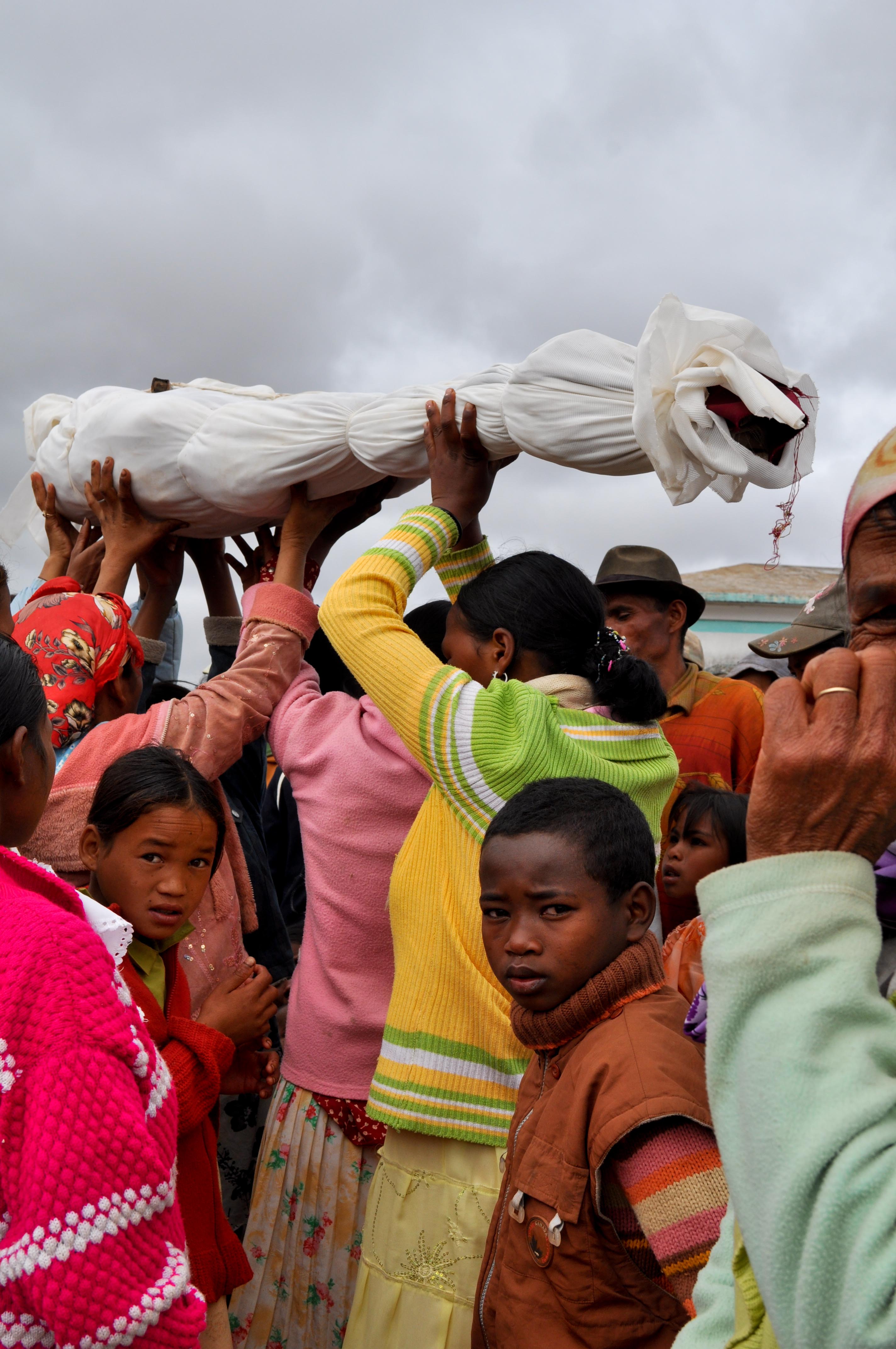
During Famadihana, families exhume ancestors, wrap them in fresh cloth, dance with them, and celebrate before reburial.
It’s joyful, communal, and deeply spiritual.
What it teaches us:
Death doesn’t erase connection — it reinforces it.
What These Traditions Have in Common
Despite their differences, these rituals all share something powerful:
-
The dead are remembered
-
Grief is shared
-
Death is acknowledged, not avoided
They remind us that planning how we want to be remembered — and giving our loved ones clarity — is not morbid. It’s compassionate.
At Wishes, we believe conversations about death can be honest, human, and even healing. Around the world, cultures have known this for centuries.
Maybe it’s time we remembered that too.